Hip Pain
Hip pain can arise from joints, muscles, tendons or referred pain from the lower back. Explore common causes, how symptoms are assessed and the treatment and rehabilitation options available at Isis.
Read more
Pain on the outside of your hip? Does it hurt when you lie on that side, climb stairs, walk longer distances or get up from a chair? These are common symptoms of a condition known as greater trochanteric pain syndrome (GTPS), often referred to as trochanteric bursitis.
GTPS affects the tissues around the greater trochanter, the bony prominence on the outside of the upper thigh. Although frequently described as inflammation of the bursa, research indicates that problems involving the gluteus medius and gluteus minimus tendons are often an important source of symptoms.
Trochanteric bursitis and gluteal tendinopathy are not necessarily the same condition. They can produce similar symptoms and may occur together. Understanding which structures are involved is important when planning treatment and rehabilitation.
Symptoms can range from mild discomfort to persistent pain that interferes with sleep, walking, exercise and everyday activities. The condition can develop gradually, sometimes following changes in physical activity or repeated loading of the hip.
At Isis Chiropractic Centres, we assess lateral hip pain by examining the hip joint, surrounding muscles and tendons, pelvis and lumbar spine. This helps us distinguish GTPS from conditions such as hip osteoarthritis and referred pain from the lower back.
Our clinics in Milton Keynes, Northampton and Aylesbury offer individualised assessment and rehabilitation, including progressive exercise, appropriate manual treatment and other options such as shockwave therapy when clinically indicated.
Our aim is not simply to relieve your symptoms, but to help you understand the problem, improve your capacity for movement and return to the activities that matter to you.

Want to know more? Request a Callback
Or give us a call, to find out how we can help you with Trochanteric Bursitis (GTPS): Symptoms & Treatment.
Book an Appointment
Schedule an appointment for Trochanteric Bursitis (GTPS): Symptoms & Treatment tailored to your needs.
Greater trochanteric pain syndrome (GTPS) typically causes pain over the outside of the hip, around the bony prominence known as the greater trochanter. Symptoms may develop gradually and can become particularly troublesome during walking, exercise or sleep.
Most people experience pain or tenderness directly over the outside of the hip. The discomfort may extend down the outer thigh, sometimes towards the knee.
Unlike many conditions involving the hip joint itself, which commonly produce groin pain, GTPS generally causes pain over the lateral aspect of the hip.
Lying directly on the painful hip compresses the tissues around the greater trochanter, which may aggravate sensitive gluteal tendons and bursae.
Even lying on the opposite side can sometimes cause discomfort if the upper leg drops across the body, increasing compression of the affected tendons.
Some people find that placing a pillow between their knees when lying on the unaffected side improves comfort.
Yes. Pain associated with GTPS may extend down the outside of the thigh, occasionally towards the knee.
However, pain radiating below the knee, particularly when accompanied by tingling, numbness or weakness, raises the possibility of a lumbar spine or nerve-related problem and requires appropriate assessment.
No. Although the term trochanteric bursitis is widely used, lateral hip pain may arise from gluteal tendinopathy, irritation of the trochanteric bursae, referred spinal pain or other conditions.
At Isis Chiropractic Centres, our assessment aims to identify the likely source of your symptoms rather than assuming that all pain over the outside of the hip is caused by bursitis.
Pain over the outside of the hip is commonly labelled trochanteric bursitis. However, understanding the difference between bursitis, gluteal tendon problems and pain referred from other structures is important when selecting treatment.
At Isis Chiropractic Centres, we aim to identify the likely source of lateral hip pain and develop an individualised management plan rather than treating every painful hip in the same way.
Greater trochanteric pain syndrome (GTPS) describes pain associated with structures around the greater trochanter, the prominent bone on the outside of the upper femur.
The region contains several important anatomical structures, including the gluteus medius and gluteus minimus tendons and bursae that help reduce friction between tissues.
These muscles contribute to control of the pelvis and hip during walking, stair climbing, running and standing on one leg.
GTPS is particularly common in middle-aged and older adults, although it can affect people of different ages and activity levels.
Symptoms may arise following changes in activity, repeated loading or irritation of the tissues around the lateral hip.
Although commonly called trochanteric bursitis, GTPS is an umbrella term that includes several possible sources of pain.
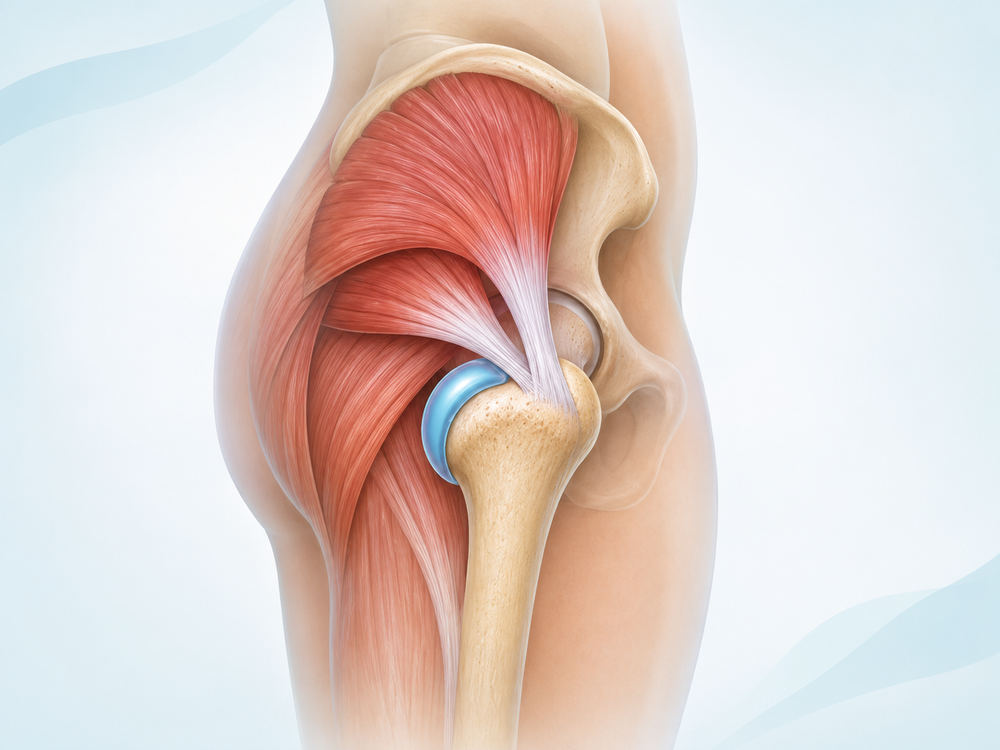
This distinction matters because different tissues may respond to different management strategies.
A bursa is a small, fluid-containing structure that helps tissues move smoothly over one another.
The bursae around the greater trochanter may become irritated or inflamed, contributing to localised tenderness and pain.
However, symptoms alone cannot reliably establish that inflammation of the bursa is the main problem.
Gluteal tendinopathy involves changes and pain associated with the tendons of the gluteus medius and gluteus minimus muscles.
These tendons attach around the greater trochanter and help stabilise the pelvis during weight-bearing activities.
Symptoms may develop when the tendons are exposed to loads they are not currently able to tolerate, particularly when compression and tensile loading occur together.
This does not necessarily mean the tendon is torn or permanently damaged. Tendon-related pain can often improve with appropriate rehabilitation and changes to loading.
Yes. Gluteal tendon problems and bursal irritation may coexist. Some people may also have hip osteoarthritis or a lumbar spine condition contributing to symptoms.
Our priority is to understand the clinical presentation rather than relying on the label of bursitis alone.
GTPS usually develops through a combination of factors rather than one isolated injury.
A sudden increase in walking, hill climbing, running or exercise may aggravate gluteal tendons that are not accustomed to the increased demand.
Equally, reduced activity over time may lead to reduced muscle capacity, making previously comfortable activities more challenging.
Certain positions increase compression of the gluteal tendons against the greater trochanter.
These may include:
Reduced hip muscle strength or difficulty tolerating certain loads may contribute to persistent symptoms.
However, there is no single movement pattern or postural abnormality that explains GTPS in every patient.
Previous injury, age-related changes, hormonal factors, general health and coexisting musculoskeletal conditions may also influence symptoms.
Identifying which factors are relevant to an individual helps us develop a more appropriate rehabilitation programme.
Diagnosis is usually based on the history and clinical examination.
At Isis Chiropractic Centres, we assess the hip and surrounding structures to determine whether symptoms are consistent with GTPS or another cause of lateral hip pain.
We discuss where pain is felt, how it started, which activities aggravate it and whether sleep, walking, exercise or everyday activities have been affected.
Depending on the presentation, examination may include:
No single examination test establishes GTPS in every patient. We interpret the overall pattern of symptoms and findings.
Yes. Some important alternative or coexisting diagnoses include:
Learn more in our Hip Pain: Causes, Assessment & Treatment guide and our dedicated article on Hip Osteoarthritis.
For many patients with gluteal tendinopathy, education, appropriate load management and progressive exercise are central to treatment.
The aim is to reduce aggravating loads while gradually improving the capacity of the hip muscles and tendons.
Management may include:
Complete rest is rarely the ideal long-term solution. Equally, repeatedly exercising through severe pain can make rehabilitation more difficult.
The objective is to find the right balance between reducing irritation and maintaining useful activity.
Exercise-based rehabilitation is an important part of managing persistent GTPS, especially when the gluteal tendons are involved.
Research has demonstrated that a programme combining education about tendon loading with targeted exercise can improve pain and overall function.
Early management may involve adjusting sleeping positions, avoiding prolonged standing with the hip pushed out to one side and reducing activities that repeatedly aggravate symptoms.
Some patients benefit from avoiding aggressive stretches that compress the painful tendons, particularly stretches that take the hip across the midline.
Exercises are selected according to symptom irritability and individual capacity.
Initial strengthening may involve controlled hip muscle contractions in positions that minimise painful tendon compression.
As tolerance improves, the programme can progress towards more demanding resistance exercises.
Later rehabilitation may include:
A small amount of discomfort may be acceptable for some people, but exercise should not cause marked or persistent aggravation.
We consider symptoms during exercise, the response later that day and any increase in night pain or discomfort the following morning.
The programme is modified when necessary rather than progressing according to a fixed timetable.
A highly irritable tendon may initially require a different approach from one that is recovering and tolerating higher loads.
At Isis, rehabilitation can be adjusted to your symptoms, strength, activities and functional goals.
Extracorporeal shockwave therapy (ESWT) is a non-invasive treatment that delivers acoustic pulses to a targeted area.
It has been investigated as a treatment for persistent greater trochanteric pain syndrome, particularly when symptoms have not responded adequately to initial conservative management.
Some studies report improvements in pain and function following shockwave therapy. However, research findings are variable, and uncertainty remains about which patients benefit most and the optimal treatment protocol.
NICE has identified limitations in the quality and quantity of evidence for shockwave therapy in refractory GTPS and recommends additional safeguards around its use.
It should therefore not be regarded as a guaranteed treatment or a replacement for appropriate exercise and rehabilitation.
At Isis Chiropractic Centres, shockwave therapy is one of several treatment options available for selected musculoskeletal conditions.
For patients with persistent lateral hip pain, we first consider whether the diagnosis is appropriate and discuss the potential benefits, limitations and alternatives.
When suitable, shockwave therapy may be considered as an adjunct to a broader management plan incorporating appropriate loading advice and rehabilitation.
We do not assume that every patient with GTPS requires shockwave therapy.
Learn more about the treatment options available at Isis Chiropractic Centres.
Corticosteroid injections are sometimes considered for persistent lateral hip pain, particularly where pain is significantly affecting sleep or everyday function.
They may provide short-term symptom relief for some patients. However, the benefit may diminish over time, and injections do not replace the need to address tendon loading and muscle function.
Research comparing corticosteroid injections with education and exercise for gluteal tendinopathy found better long-term patient-reported overall improvement with the education and exercise approach.
An appropriate medical clinician may consider an injection where symptoms remain troublesome despite suitable conservative management, or where pain is making rehabilitation particularly difficult.
The potential benefits and risks should be discussed individually. These include temporary pain aggravation, infection, changes in local tissues and possible adverse effects associated with repeated corticosteroid exposure.
At Isis, we can discuss when a medical opinion or specialist referral may be appropriate.
Recovery varies depending on the duration and severity of symptoms, the tissues involved, general health and response to treatment.
Some patients notice improvement within several weeks. More persistent gluteal tendon problems may require a structured rehabilitation programme lasting several months.
Symptoms do not always improve in a straight line. Temporary flare-ups may occur when activity increases or the tendons are exposed to more loading than they currently tolerate.
Long-term management may involve:
Our aim is not simply to provide short-term symptom relief, but to help patients return to meaningful activities and manage future changes in physical demand.
Many cases of GTPS can be assessed clinically without routine imaging.
However, ultrasound or MRI may be considered when the diagnosis is uncertain, a significant tendon tear is suspected or symptoms remain persistent despite appropriate management.
Imaging findings need to be interpreted alongside the patient’s symptoms and clinical examination because tendon changes may also be seen in people without pain.
Not all lateral hip pain is GTPS. Prompt medical assessment is appropriate when symptoms suggest a more serious condition.
Seek urgent medical assessment for:
Persistent unexplained pain, significant night pain unrelated to position, unexplained weight loss or a history of cancer may also warrant medical investigation.
At Isis, we recognise the importance of further investigation and referral where clinical findings suggest an alternative diagnosis.
At Isis Chiropractic Centres, we have provided musculoskeletal assessment and care since 1986.
We do it differently. Our approach considers the likely source of pain, the tissues involved, how symptoms affect everyday activities and which treatment options are most appropriate.
For patients with lateral hip pain, care may involve:
More treatment options. One coordinated approach.
We aim to provide individualised care, rather than relying on the same treatment for every patient.
Whether you have recently developed pain over the outside of your hip or have been struggling with persistent symptoms, an appropriate assessment can help clarify your options.
Not exactly. GTPS is a broader term describing pain associated with structures around the greater trochanter. It frequently involves the gluteal tendons and may also involve bursal irritation.
Direct pressure over the greater trochanter can aggravate sensitive tendons and bursae. Sleeping on the opposite side with a pillow between the knees may reduce compression in some patients.
Not all stretching is beneficial. Some stretches place the gluteal tendons under additional compression and may aggravate symptoms. Exercise selection should reflect the diagnosis and stage of rehabilitation.
Yes. GTPS may cause pain extending down the outside of the thigh, sometimes towards the knee. Tingling, numbness or weakness may suggest a different or additional cause requiring assessment.
Walking can be beneficial, but the amount may need adjusting according to symptoms. Excessive walking during a painful flare-up may aggravate the condition, while appropriate graded activity can support recovery.
No treatment can guarantee a cure. Shockwave therapy may be considered for selected persistent cases, but the evidence remains uncertain and it should not replace appropriate rehabilitation.
Most patients are initially managed without surgery. Injections or specialist assessment may be considered where symptoms remain troublesome or additional pathology is suspected.
Persistent lateral hip pain can make sleeping, walking and exercising uncomfortable. Understanding whether the problem involves the gluteal tendons, bursae or another structure is an important first step.
At Isis Chiropractic Centres, we provide individualised assessment, treatment advice and rehabilitation to help you understand your options.
Further information about greater trochanteric pain syndrome and its management is available from the following sources: