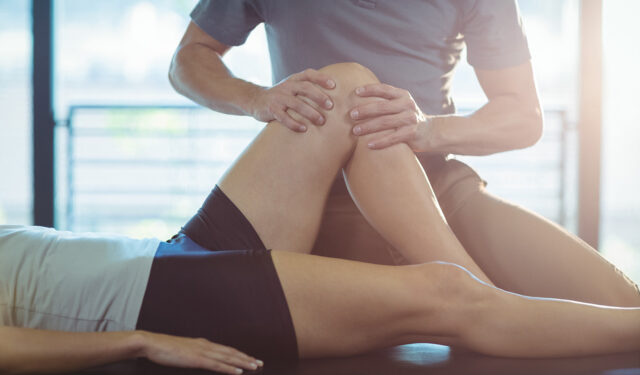
Understanding the Knee Joint
The knee is one of the most complex and weight-bearing joints in your body. It plays a crucial role in mobility and balance, relying on both strength and stability to function properly.
Structurally, the knee consists of:
The tibiofemoral joint (connecting the thigh bone to the lower leg)
The patellofemoral joint (between the kneecap and thigh)
Two menisci, which are cartilage discs that absorb shock and support joint movement
A network of muscles and ligaments that provide both active (muscle-driven) and passive (ligament-driven) support
Given how much strain this joint handles daily, it’s not surprising that the knee is particularly vulnerable to injuries, wear and tear, and dysfunction.
Why We Look Beyond the Knee
It might seem counterintuitive, but knee pain doesn’t always start in the knee itself. That’s why chiropractors take a whole-body approach. In addition to evaluating the knee, we also examine your lower back, pelvis, hips, ankles, and feet, which all influence how the knee moves and feels.
What to Expect During Your First Visit
When you come in for an initial consultation, we begin by gathering a detailed medical history. Then, we perform a comprehensive physical and biomechanical assessment. This allows us to identify underlying issues and create a treatment plan that targets the true source of your discomfort.
What Could Be Contributing to Your Knee Pain?
In some cases, pain may be referred from nearby structures such as the hip or lower spine.
Additionally, imbalances or misalignments in other joints can increase stress on the knee over time.
Left unaddressed, these secondary issues can worsen symptoms or lead to recurring problems.
By taking a broader view, we aim to reduce unnecessary strain on your knee and support long-term healing and function.
Our 3-Stage Chiropractic Treatment Plan
Every patient is different, which is why we customise our care. However, most treatment plans follow three key stages:
Stage 1: Calm Inflammation and Relieve Pain
To reduce discomfort and support healing, we may recommend:
Modifying or avoiding activities that aggravate your condition
Using joint supports or sports tape for stability
Applying ice therapy to manage swelling and muscle tension
Incorporating soft tissue therapies, such as laser, ultrasound, or interferential treatment
Stage 2: Restore Joint Function
Once inflammation is under control, we focus on restoring movement. This stage often includes:
Chiropractic adjustments and mobilisation techniques to improve joint motion
Hands-on therapies like deep tissue massage, trigger-point release, and cross-friction therapy to relieve stiffness
Stage 3: Build Strength and Prevent Future Injury
As healing progresses, we introduce:
A customised exercise program to rebuild strength and endurance
Balance and proprioception training to improve coordination and body awareness
Advice and support to help you safely return to your normal activities or sports
Take the First Step Toward Relief
You don’t have to accept knee pain as part of your daily life. With the right care, it’s possible to move more freely, feel stronger, and get back to doing what you love.
Schedule your consultation today, and let us help you take that first step toward lasting relief.