Home
Welcome To ISIS! What is Chiropractic
About Us
Testimonials
About Treatment
The Adjustment
Referred Pain
Diagnosis
Exercise
Research
Your Body
Contact Us
SiteSearch
News and Updates
Newsletter
Work with ISIS
Job Vacancies
Rooms Available
Conditions And Symptoms Back Pain
Disc Injuries
Sciatica
Pelvic Pain
Hip Pain
Neck Pain
Arm Pain
Frozen Shoulder
Shoulder Pain
Headaches
Migraines
Whiplash
Tennis Elbow
Scoliosis
Growing Pains
Rib And Chest Pain
Knee Pain
Feet And Ankles
Arthritis
Dizziness
Muscle Pain
Children
Pregnancy
Osteoporosis
Sports Injuries Performance
Sports Injuries
Golf Injuries
Running Injuries
Cycling Injuries
Other Therapies And Services At ISIS Back Care
Laser Therapy
Orthotics
StraightenUp UK
Bone/Health Screen
Mind Power
nutrition:mk
Links And Legal Useful Links
Privacy Policy

[?] Subscribe To This Site

XML RSS
Add to Google
Add to My Yahoo!
Add to My MSN
Subscribe with Bloglines

Coccydynia and Chiropractic treatment.


The chiropractic approach to coccydynia

Coccydynia

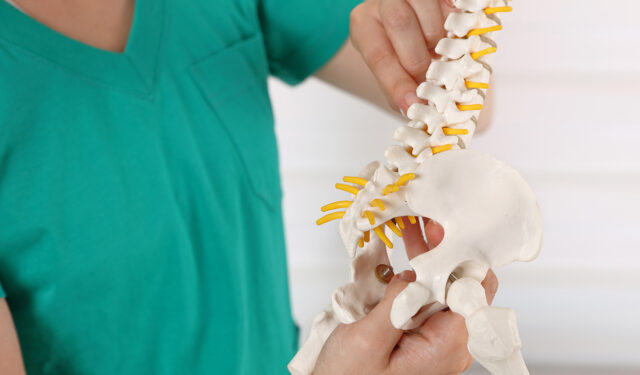
The coccyx or the tailbone is a small bone at the end of the sacrum, which is part of the pelvis. It is sometimes the source of severe and disabling pain. Coccyx pain is referred to medically as coccydynia. Coccydynia is often associated with falling on your behind or other events such as giving birth, but in many cases there are no obvious reasons.

Quite often pain is referred from the sacroiliac joints, pelvic muscles and the lower back. It is therefore important to have a proper examination to determine why the pain is there and where it is coming from.

The Unstable Coccyx

Sometimes the pain is due to an unstable coccyx. You have a joint between the coccyx and the sacrum, which can be sprained. If this joint is unstable you may sprain it every time you sit down, hence recurring and chronic pain. When you have coccydynia it is especially painful to sit down.


Chiropractic Care

For enquiries please call:

Milton Keynes: 01908 307075
Northampton: 01604 460200
Aylesbury: 01296 489231


Diagnosis and investigations

The history can give a clear indication of what the cause is but that is not the case for every person. The first aim for the chiropractor is to find out if chiropractic treatment is appropriate for you. It is therefore often necessary to take x-rays or even MRI-scans to rule out more sinister causes of pain.

Dynamic x-rays are often very useful in order to rule out a dislocating coccyx, which can account for as many as 50% of the cases of pain from the coccyx.

The chiropractor would also palpate the coccyx and related muscles from the outside to determine if there is any localised tenderness on or around it. In some cases it might be necessary to do this internally.

The chiropractor will also examine related areas such as the pelvic joints and the lumbar spine.

Dynamic x-rays

The chiropractor would take two X-rays, one sitting and one standing. Comparing the X-rays shows whether your coccyx moves more than normal when you sit down.

Flexion greater than 25-30 degrees represents a hypermobile coccyx.

It is very rare to have instability in extension, but movement greater than 15-20 degrees is a sign of instability.

In about 40-50% of the cases, the dynamic X-ray examination fails to demonstrate a problem. In these cases with normal x-ray films the diagnosis is "idiopathic" coccydynia and the pain may be related to different problems such as:

  • Intradiscal inflammation or chronic joint inflammation.

  • In case of a rigid coccyx, with pain located at the tip, a bursitis is possible.

  • In some cases, the pain is located at the sacral insertion of the sacrotuberous ligament.

  • Pain referred from the sacroiliac joints and the lumbosacral area are often possible origins of referred pain over the coccyx.

When there is no obvious problem on the x-ray films, careful palpation is the only way to determine where the pain is coming from.

Other causes of coccydynia include infections and tumours, but thankfully they are very rare.

In Summary

Coccydynia is related to coccygeal instability in almost half of the cases. The diagnosis can be documented with dynamic X-ray films, which will show evidence of hypermobility.

Many times the coccydynia is due to referred pain from the lumbar spine, pelvic joints (sacoiliac joints) and related musculature.

An accurate diagnosis is important in order to direct the most appropriate treatment. Certain conditions are not suitable for chiropractic treatment.

An excellent website for more information on coccydynia is www.coccyx.org.

If you want to discuss this further with a Chiropractor please contact us here.

Chiropractic Care

For enquiries please call:

Milton Keynes: 01908 307075
Northampton: 01604 460200
Aylesbury: 01296 489231


Go to ISIS Chiropractic Home Page


Please Use This Search Bar To Find What You Are Looking For!

Loading
If You Still Can't Find What You Are Looking For Click Here!


For Enquiries Call:

Milton Keynes: 01908 307075
Northampton: 01604 460200
Aylesbury: 01296 489231


To Find Out More About Chiropractic Treatment, Watch Our Video!

Bigger Screen? Click The Bottom Right-Hand Corner!


Get Access To Free Information, Sign Up For Our Newsletter Here!

Enter your E-mail Address
Enter your First Name (optional)
Then

Don't worry -- your e-mail address is totally secure.
I promise to use it only to send you ISIS Chiropractic News.