Home
What is Chiropractic
About Us
About Treatment
The Adjustment
StraightenUp UK
Back Pain
Children
Disc Injuries
Sciatica
Hip Pain
Arthritis
Neck Pain
Arm Pain
Frozen Shoulder
Shoulder Pain
Headaches
Migraines
Whiplash
Tennis Elbow
Sports Injuries
Pregnancy
Scoliosis
Growing Pains
Rib And Chest Pain
Knee Pain
Feet And Ankles
Running Injuries
Cycling Injuries
Back Care
Exercise
Testimonials
Useful Links
Contact Us
Work with ISIS
News and Updates
SiteSearch
Research
Dizziness
Pelvic Pain
Diagnosis
Newsletter
Muscle Pain
Privacy Policy
Referred Pain
Your Body
Bone/Health Screen
Job Vacancies
Osteoporosis
Laser Therapy
Rooms Available
nutrition:mk
Mind Power
Orthotics
Performance

[?] Subscribe To This Site

XML RSS
Add to Google
Add to My Yahoo!
Add to My MSN
Subscribe with Bloglines

Sacroiliac Joint Syndrome and Chiropractic Treatment


Chiropractic Treatment And Sacroiliac Joint Syndrome

Sacroiliac joint syndrome also known as sacroiliac syndrome and sacroiliac joint sprain, is a common cause of back pain and is regularly treated in our chiropractic clinics.

Even though the injury cause inflammation of the sacroiliac joint, it is not the same as sacroiliitis.

The sacroiliac (SI) joints are located on either side of the spine just below waist height. Looking from behind onto somebody's back you can see two dimples on either side just below the waist. That is where the SI joints are located.

The joints are between the two pelvic (iliac) bones, which join on to the sacrum, forming the two sacroiliac or SI joints.

Inside the joints is a system of ridges and grooves. The sacral side has a concave groove and the iliac side has a convex groove, which limit the movement. The joints also have a complex system of ligaments, which further strengthen the joints.

The main function of the sacroiliac joints is to transmit forces between the upper body and the lower limbs. They are designed to withstand large stresses.

Women tend to be affected more often than men since they tend to have more flexibility of their ligaments. The SI joints tend to lose their flexibility and we are less likely to sprain our SI joints as we get older.

Until recently the main anatomical textbook in medicine did not recognise that these joints moved. The Grey's Anatomy, since some years now, state that the sacroiliac joints do move, which has been a great help in making medical doctors accept that sacroiliac joints can benefit from chiropractic treatment.

How do the Sacroiliac joints get injured?

Sprains of the sacroiliac joints are caused by excessive movement, this can occur in a one off event such as a fall or car accident or more commonly developed over time due to repetitive micro-trauma.

Excessive stress on the joint capsule causes microscopic damage to the ligaments surrounding the joint. The joint then becomes inflamed and painful.

The body reacts to this by instructing the muscles to tighten up to prevent more damage but this muscle spasm tends to last for longer than it is useful, resulting in more pain.

It is common to get referred pain from the muscles that go into spasm. The most commonly involved are the piriformis, gluteal (buttock) and psoas muscles.

Causes of SI Sprain

  • Repetitive micro-trauma: it means many small repetitive injuries, until the proverbial 'last straw'. That is why people often hurt themselves doing very trivial things such as bending to pick up a pen, and they hurt themselves before they even get to lift the pen. This can happen through fairly trivial activities. Maybe things that you have done a hundred times before.

  • Muscular imbalance or weakness in the muscles surrounding the sacroiliac joints: these problems develop over a long period of time giving little or no symptoms until it is too late.

  • Trauma such as a fall or road traffic accidents

  • Prolonged bending or lifting

  • Pregnancy: Hormones released in the last trimester to increase the laxity of the pelvic ligaments can make them more vulnerable to injury.

  • Problems with the hip, knee and feet: can all put increased pressure on the sacroiliac joint, which can become painful over time due to repetitive strain.

Signs and Symptoms of SI Joint Sprain

  • Pain on one or both sides over the joints and into the buttocks.
  • Pain can also be felt into the back of the leg, The front of the thigh and groin.
  • Pain is often after lifting or twisting; or can develop over a period of time.
  • Pain is worse sitting and bending forward.
  • Increased weight bearing such as standing on one leg increase the pain.
  • Lying down eases pain.
  • In most cases, there is no loss of strength, pins and needles or numbness.

The chiropractor is usually able to make a diagnosis based on the history and the signs and symptoms of the condition.

Sometimes, especially if the problem is long standing, if you have reached a certain age or if there is anything in your medical history to indicate it we may take an x-ray of the pelvis.

You cannot diagnose a sacroiliac joint sprain on an x-ray, CT or MRI scans alone. The diagnosis is made on the clinical findings - but the x-ray may help to rule out other causes and in some cases help the chiropractor determine which type of treatment is most appropriate. It can help to rule out underlying inflammatory conditions, sacroiliitis, such as Ankylosing spondylitis .

Chiropractic Treatment of a Sacroiliac Sprain

The healing time for a damaged ligament is between 4-6 weeks. Chiropractic treatment will normally help you get comfortable quicker, but it is important to remember that the ligaments might not be fully healed even though the pain has subsided.

The Initial Stage of Chiropractic treatment

  • The aim is to reduce inflammation and improve mobilityThe treatment frequency is in most cases 3 times over 10 days or until the pain and inflammation begins to subside. The acute pain tends to settle down within 3-6 treatments.

    In the early part it can be very useful to use a sacroiliac belt to support the pelvis, especially if the sacroiliac joint is severely inflamed and unstable.

    Ice packs are used regularly to reduce the pain, joint inflammation and muscle spasm.

    Spinal manipulation or adjustments are used to areas of the spine with restricted movement, to increase mobility and reduce pain.

    Massage, soft tissue therapy, ultrasound and interferential therapy may also be used.

    We also advise our patients ‘active rest’, which means to avoid activities which the patient find aggravating but to keep moving around regularly. Prolonged bed rest has been shown to actually prolong back pain. It is best to alternate rest with walking around.

    The chiropractor will also give advice on how to get comfortable, how to move, and taught which exercises to do to get comfortable and help you to get on with your life as comfortably as possible.

The Stabilisation Stage of Chiropractic treatment

  • The aim is to normalise function and improve strength

    As the pain starts to subside, treatments will be gradually spaced out to once a week, once every two weeks etc and you will be given more exercises to do at home.

    We continue with specific chiropractic manipulation and soft tissue techniques to areas of restricted movement in the low back and surrounding joints, to increase the mobility and optimise spinal function.

    Core muscle exercises will gradually be introduced to create better spinal control and stability, which is one way of preventing the injury from coming back.

    You will also be giving postural and ergonomic advice to help you reducing the risk of injury.

    We also have an in-house rehabilitation gym, which we advise all our patients to attend to learn an exercise program specific for their needs.

    Doing your exercises long term will be extremely important to create more support and stability for the spine. In some cases ‘curing’ the problem might not be possible, but the goal of the treatment will be to make sure the problem stays manageable, allowing you to do your normal daily activities.

The Maintainance stage of Chiropractic treatment

  • The aim is to prevent reoccurrence.

    You attend for treatment every 1-3 months to aid long-term improvement.

    You need to continue with exercises to keep low back strong and prevent reoccurrence.

Why does the pain recur?

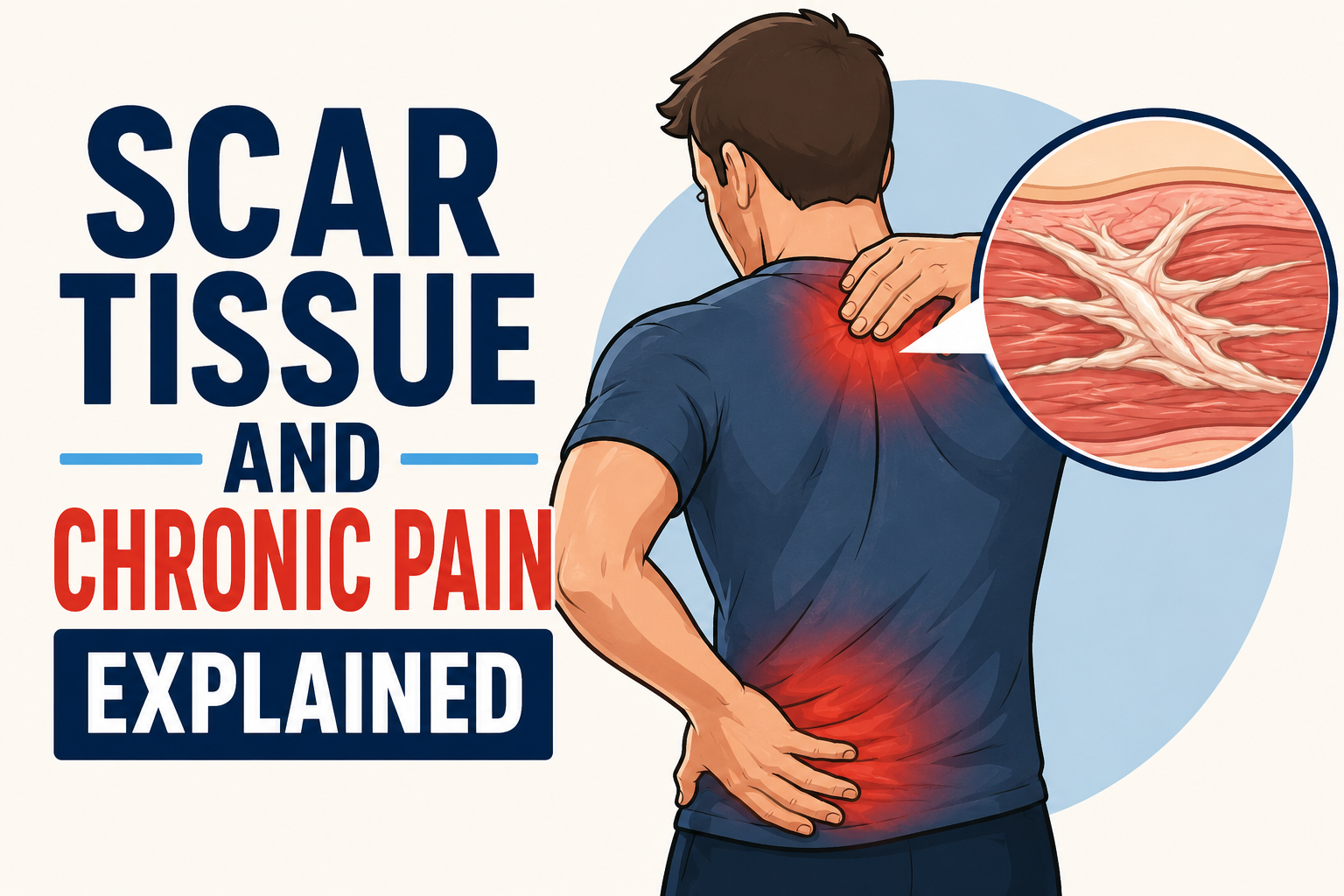
If you suffer recurrent episodes of low back pain it is usually a sign of what chiropractors would refer to as a ‘functional instability'. When you get a joint or ligament sprain the healing create scar tissue as part of the normal healing process. Scar tissue is less elastic and breaks more easily. It has also been shown that injuries leave the deeper spinal muscles weakened, permanently, even after the pain has gone. The only way to make the muscle recover is to do specific core muscle exercises.

What can I do to stop my low back pain recurring? There are many different treatments available. Recent research shows that chiropractic spinal manipulation of the type chiropractors do in combination with exercises is the most effective treatment for both acute and chronic SI joint pain.

Chiropractors advocate dealing with the underlying neurological, mechanical and muscular problems. Just relying on taking pain killers and rest does not deal with neither of these causes, so even if the pain goes away with rest it is bound to come back due to the remaining underlying weakness.

For each new episode of pain you have you become more at risk to have another episode. Research has shown that after four episodes of pain you are more likely to suffer chronic and long-term pain.

Factors Affecting Recovery

  • Severity of the injury
  • Number of previous episodes- previous injuries can leave the joint weak and prone to re-injury and longer healing time.
  • Age- joint ‘wear and tear’ or arthritis can affect the long-term improvement of your condition. However, this does not mean that there is nothing that can be done.
  • Poor posture, fitness levels and core stability can prolong back pain. These factors will all be addresses as part of your treatment.
  • The time between the injury and seeking treatment- in general, the quicker you seek treatment the quicker you will recover.

For the best response to treatment follow your chiropractors advice as closely as possible.

What should you do?

These are all risk factors for developing of back pain:

  • Poor fitness levels and spinal stability (core muscle strength)
  • Poor posture
  • Previous episodes of back pain
  • pain for more than 8 days

So, the longer you have put up with the pain the more likely you are to become a chronic and recurrent sufferer.

The general recommendation is to make sure you get the problem diagnosed properly, have a chiropractor evaluating your core stability, have treatment if necessary and do the right type of exercise to help your problem.

Chiropractic treatment is so often the answer!

Chiropractic Care

For enquiries please call:

Milton Keynes: 01908 307075
Northampton: 01604 460200
Aylesbury: 01296 489231

See what our patients think of us!

Go to ISIS Chiropractic Home Page


footer for chiropractic page